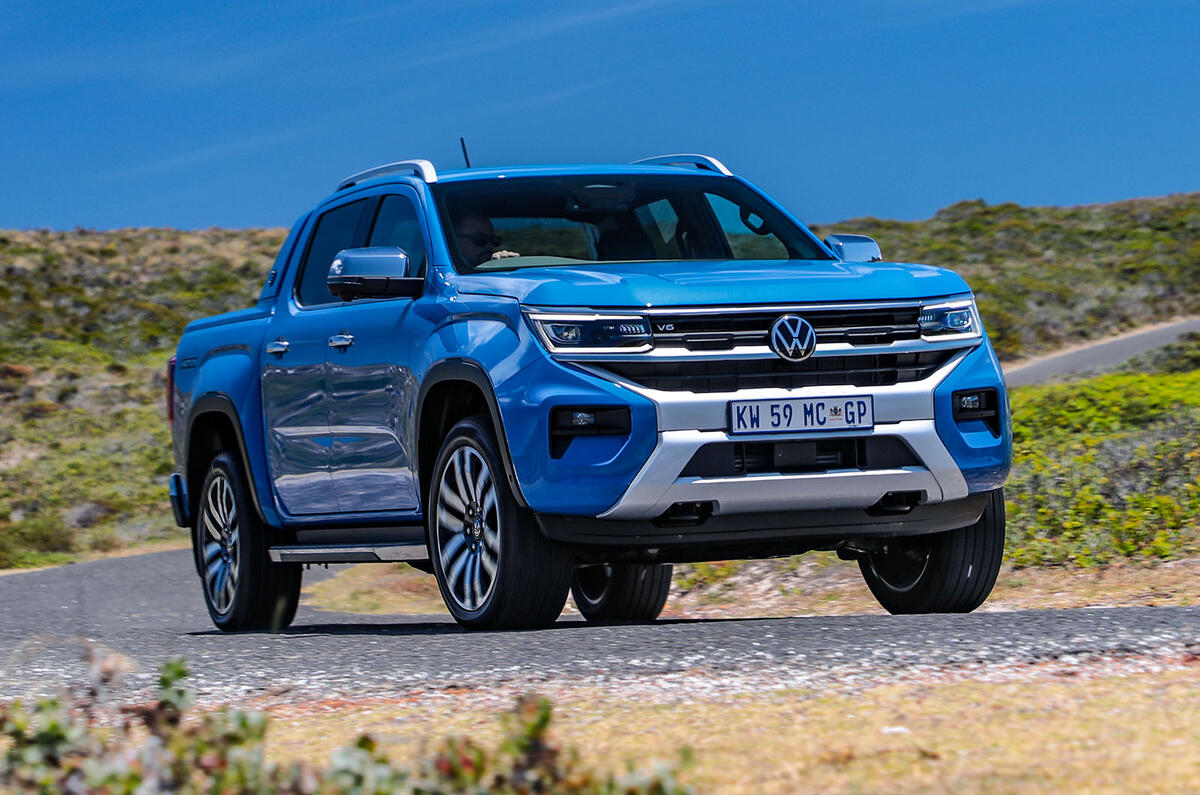
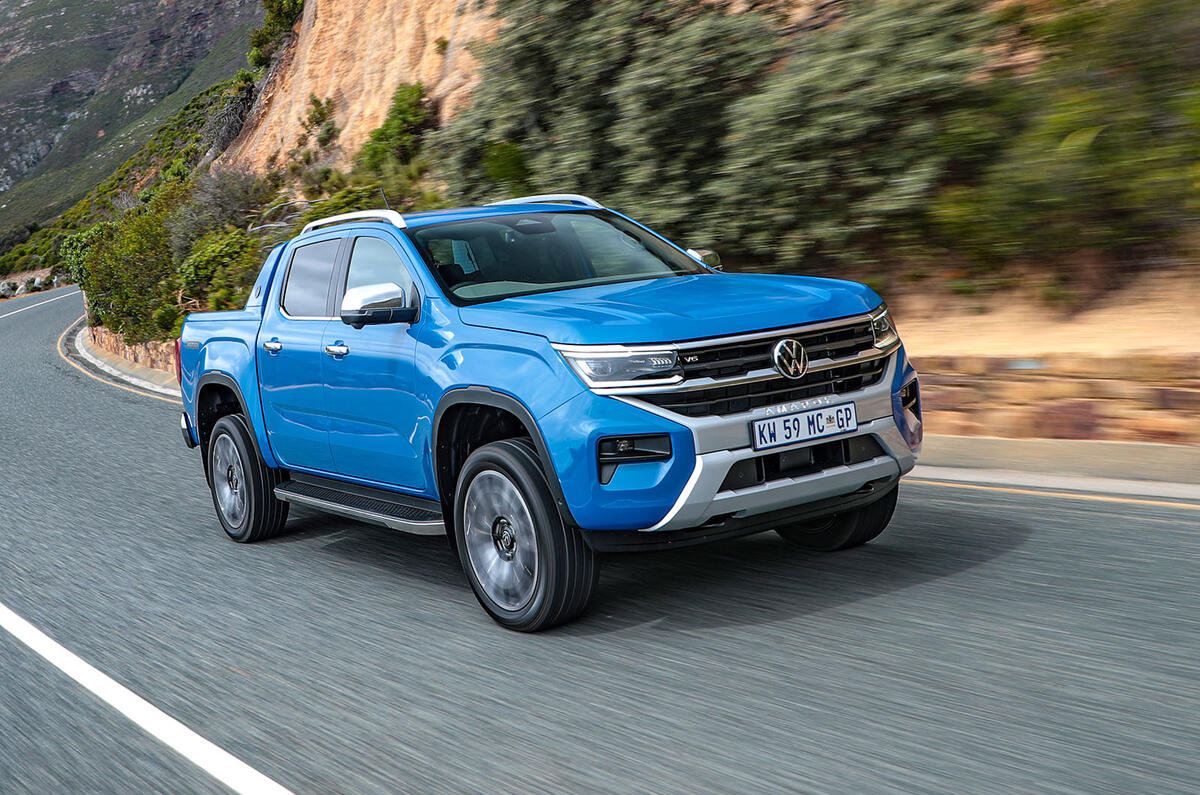
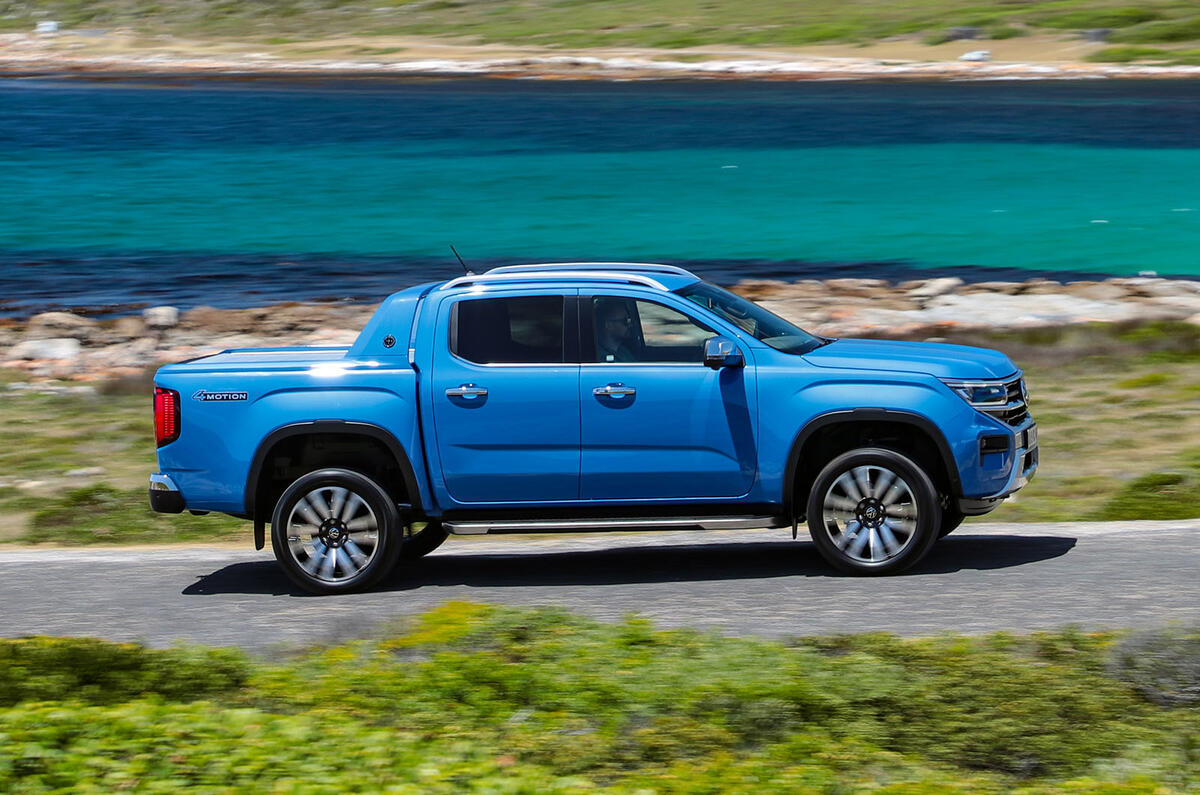
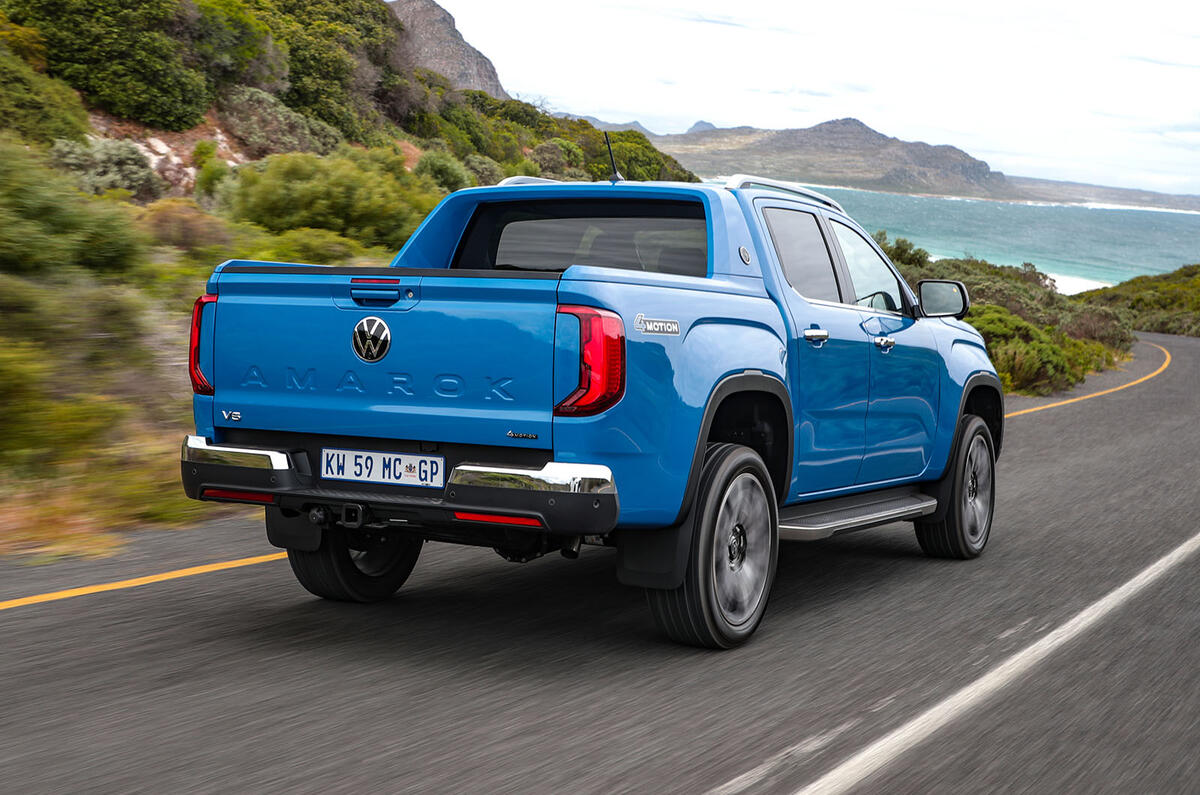
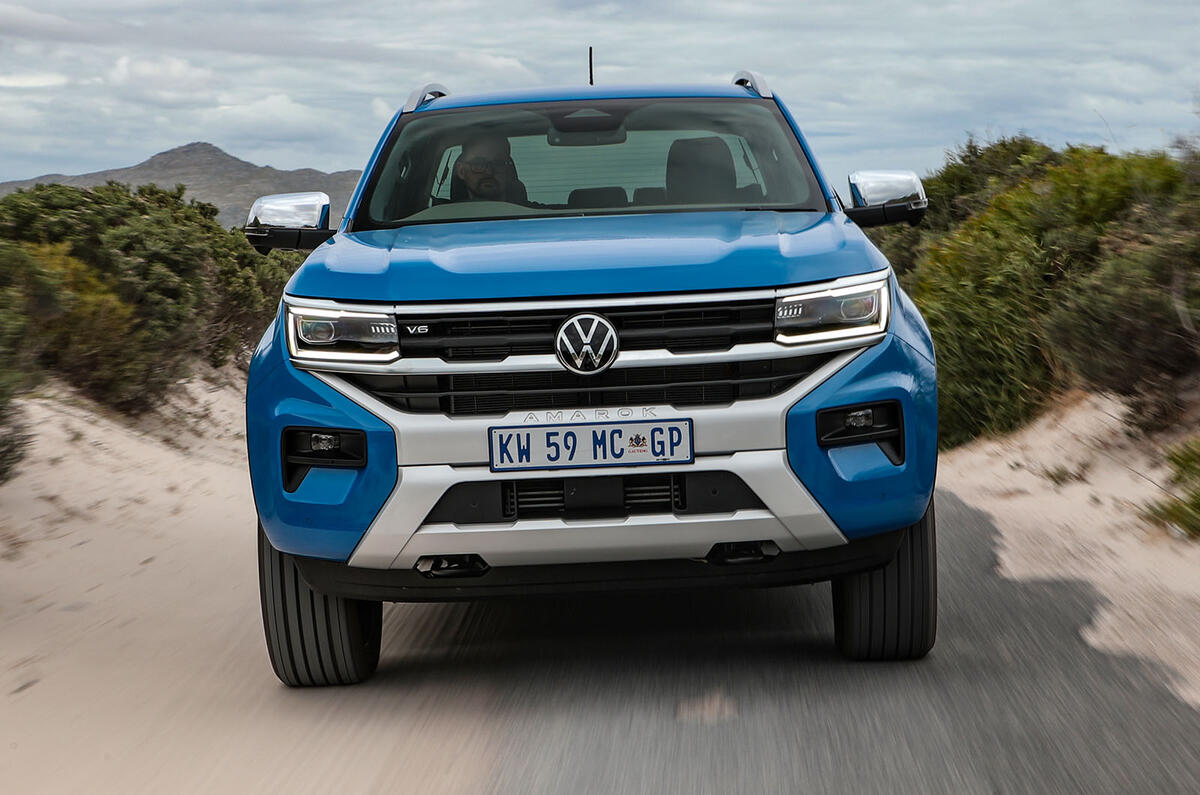
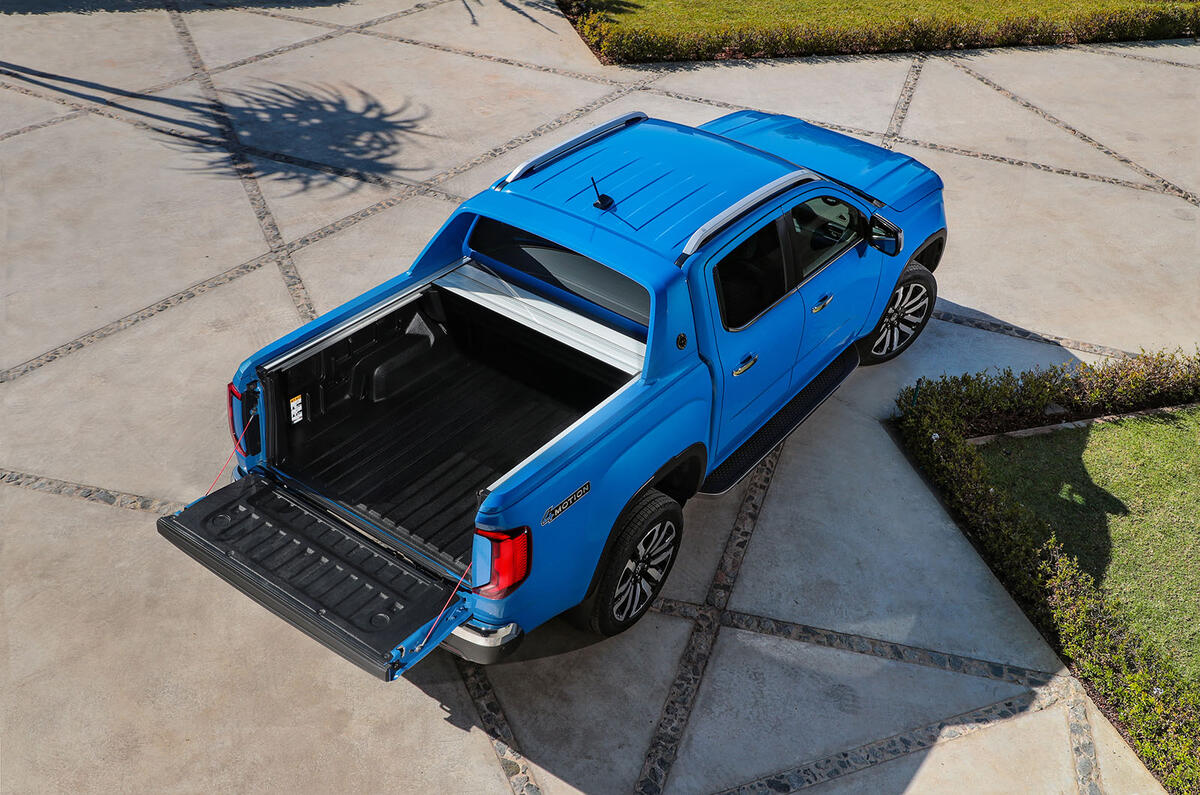
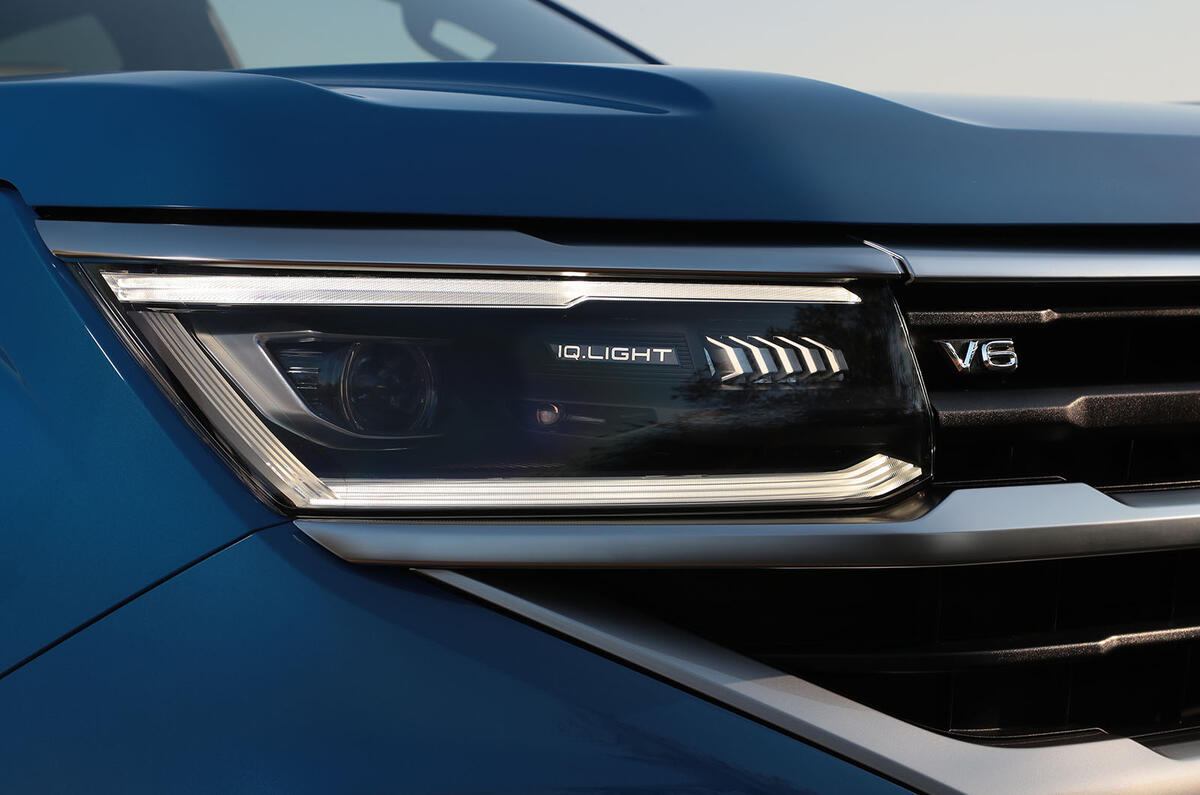
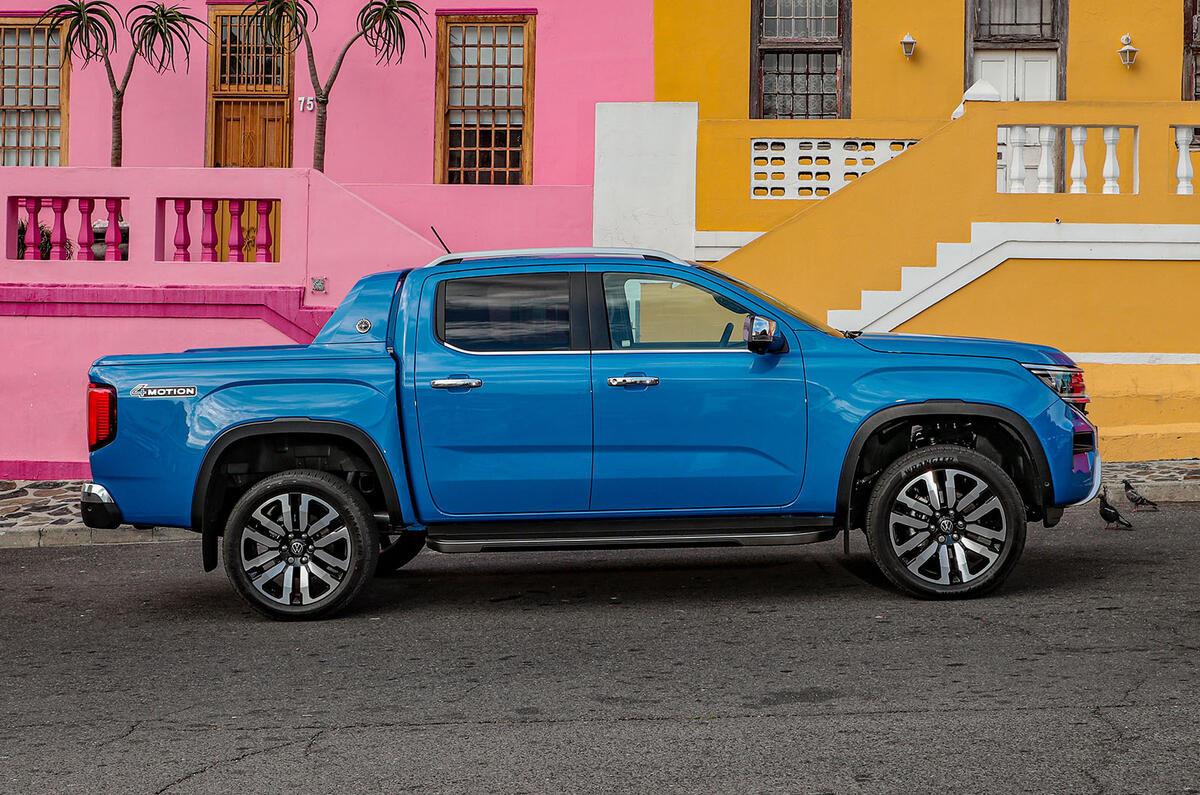
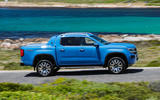
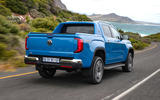
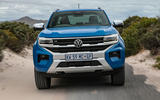
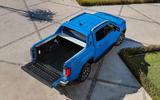
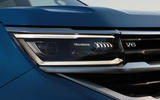
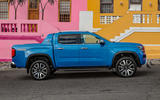

While other players have long quit Europe's premium pickup truck arena, Volkswagen is back for a second swing at the lifestyle flatbed niche with a second generation of the smart-looking Volkswagen Amarok. Larger than the car it replaces, built on entirely different mechanicals, and with a broader range of engines, the Amarok entered UK showrooms in spring 2023, bidding to make greater headway into the sales share of leading powers the Ford Ranger and Toyota Hilux than the last version managed.
A little history: when the first-generation Volkswagen Amarok launched in 2010, it did so with an in-house body-on-frame construction and a range of VW's proprietary powertrains, of which the beefcake 3.0-litre V6 TDI was unsurprisingly the most popular. It had easier drivability and a more hospitable cabin than its rivals, and it sold well, especially considering its maker had no prior experience of building mass-market pick-ups/bakkies/utes around the world. However, volumes weren’t quite high enough to ensure that a successor would follow. The figures illustrate this. In a good year VW would shift around 90,000 Amaroks. Ford, on the other hand, has averaged 350,000 or so units of the Ford Ranger, which sells particularly well in the UK.
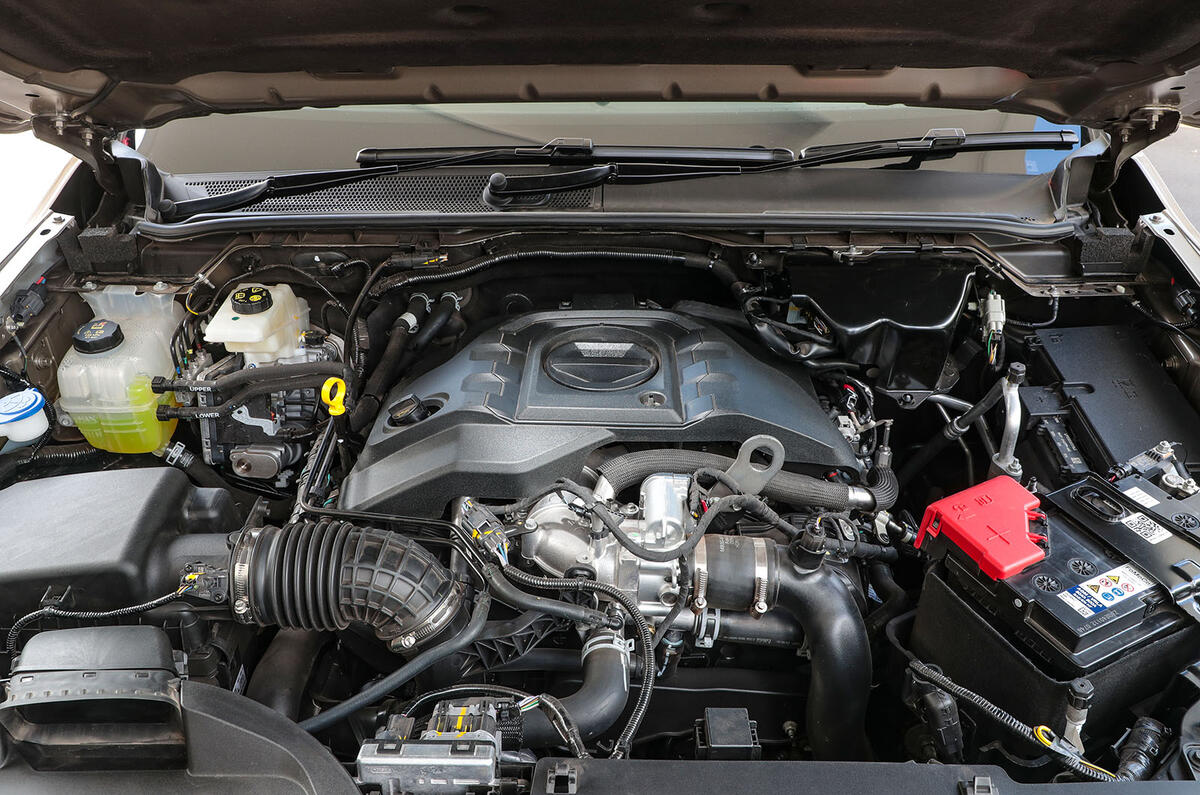
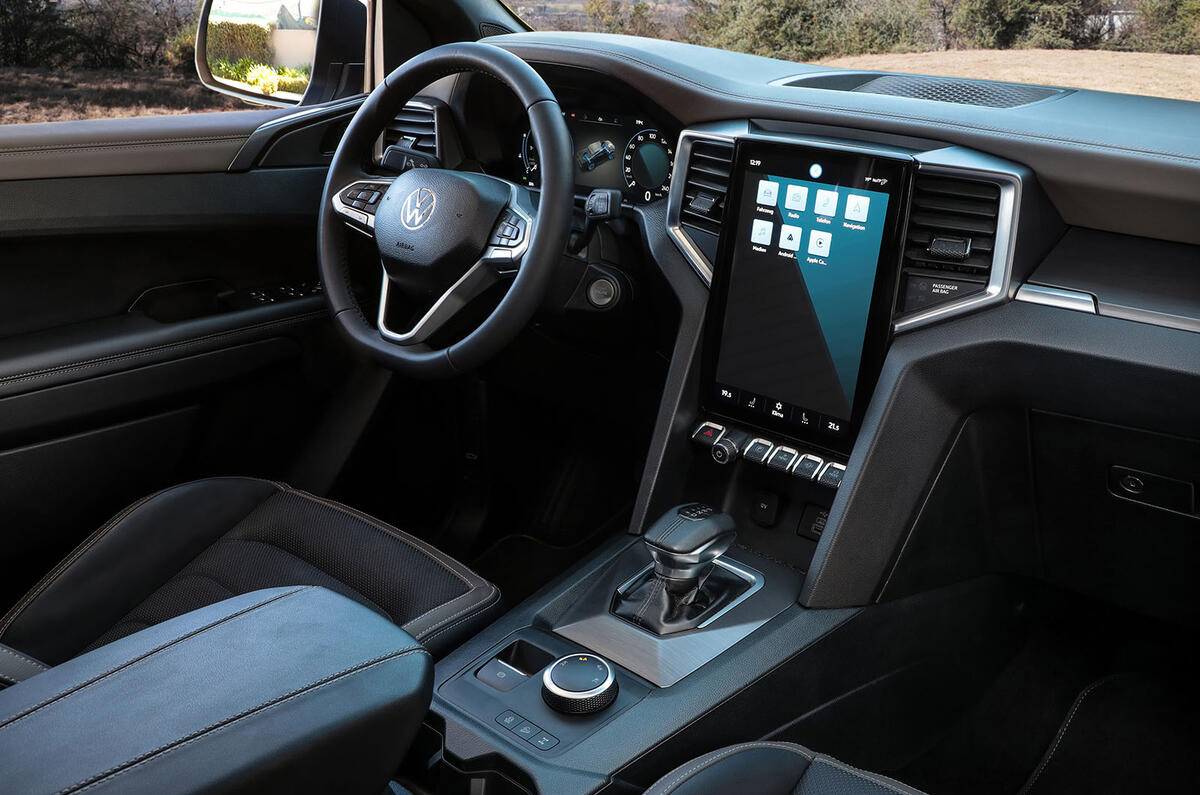
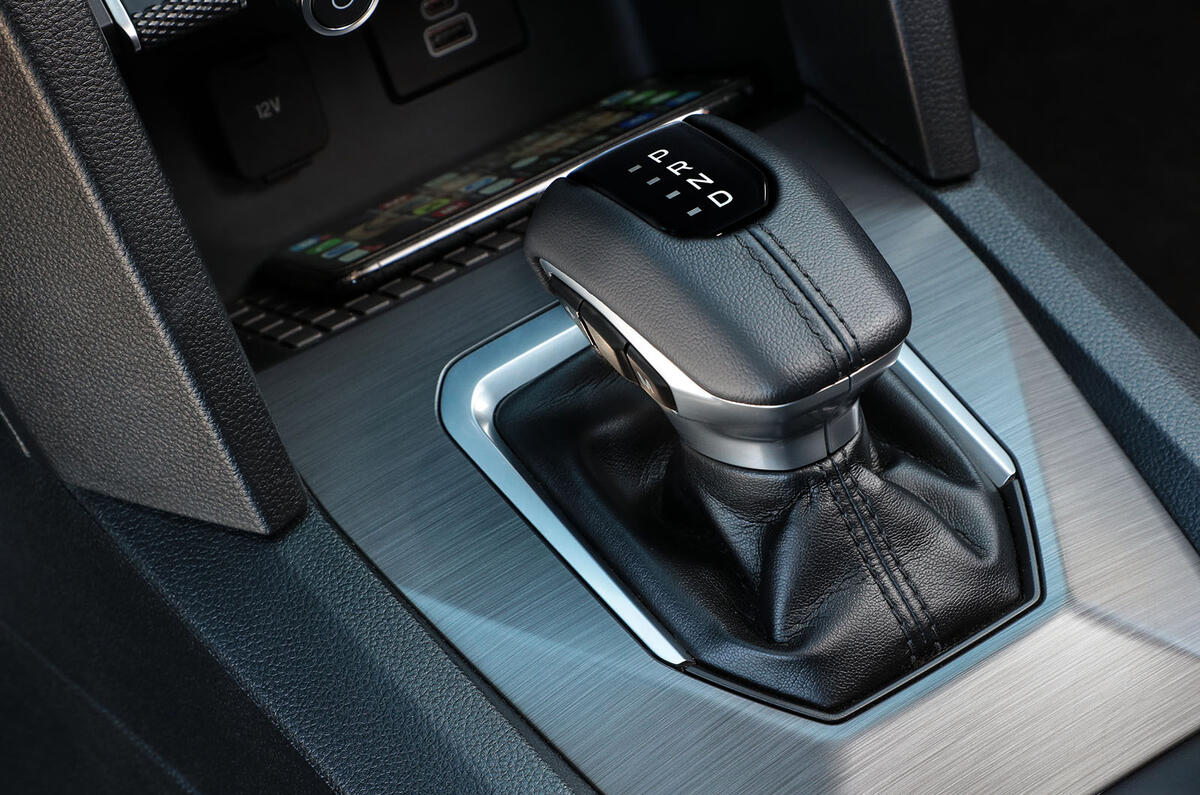
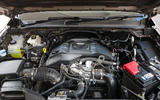
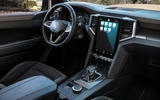
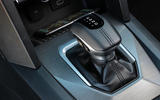
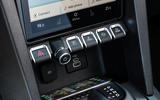
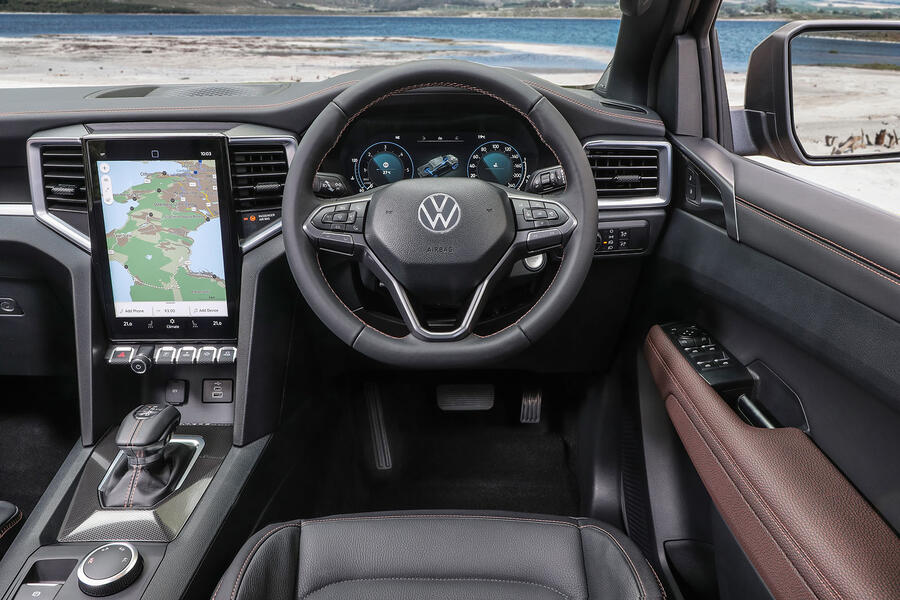
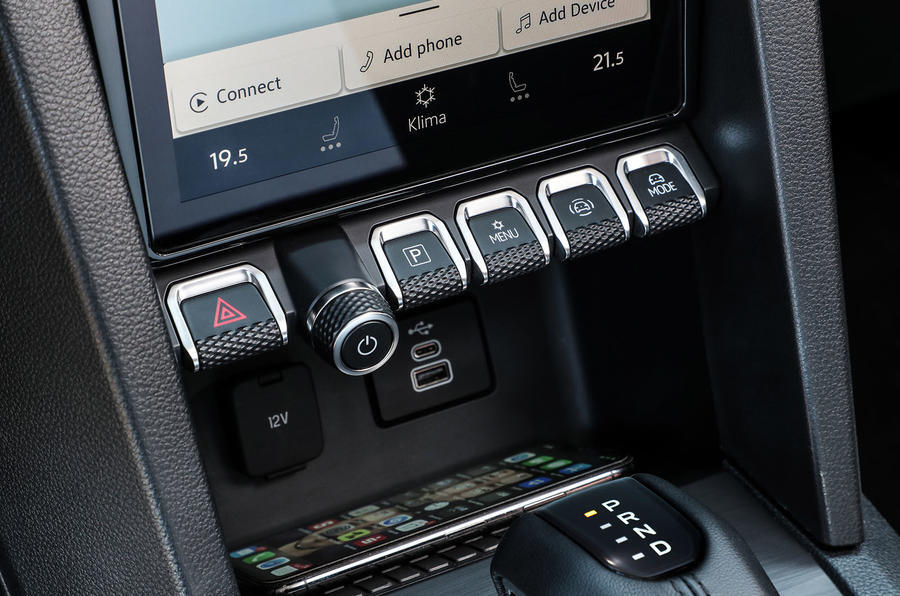
In this age of colossal and unexpected automotive industrial partnerships, if you’ve already worked out where this is going, well done. If not, you quickly would, were you given some time to poke around the squared-off, brutish new Mk2 Amarok, which is now in UK showrooms. Climb aboard and you’d notice that the massive portrait-oriented infotainment screen isn’t something VW has ever deployed anywhere else, and the style of gear selector and door handles are equally unfamiliar. And then, with a bit more digging – opening up the bonnet, nerdishly inspecting the windscreen scrawl, turning over some fittings – there it is in writing: FoMoCo.
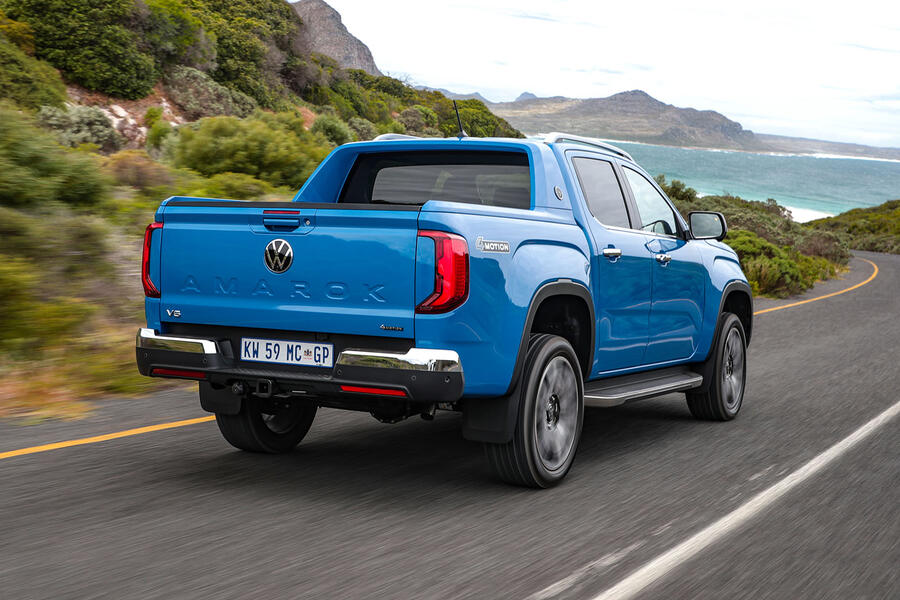 Lurking beneath the Amarok’s exterior is the recently updated Ford Ranger, with its revised T6 platform. We’ll come onto the practical consequences of this arrangement in a moment, but it’s worth stopping to appreciate its significance in the broader sense. With Volkswagen having invested so heavily in EV strategy, its ability to develop ICE-based legacy products has been hamstrung, particularly in respect to lower-volume commercial vehicles. At the same time, Ford has a good platform for its larger electric vehicles and you’ll find this underpinning the Mach-E SUV, but for smaller EVs it is already off the pace – unlike VW, which has its own MEB platform. It means the two companies are ripe for technology and hardware sharing, filling in certain gaps in one another's capabilities, and the new Amarok joins the VW Caddy as fruit of this partnership. None of this is breaking news, of course, and it will remain a competitive relationship, but it’ll also strengthen the hand of two global car-making giants considerably.
  We've now tested the range-topping Amarok Aventura V6 TDI both on its international press launch in South Africa, and back in the UK. It dispatched five miles through light-to-moderately gruelling South African bush with ease and impressive wheel articulation (judging by the lead Amarok ahead of us), though the brakes did occasionally grab without warning in hill-descent mode. In terms of geometry, Ford underpinning clearly does the new Amarok no harm: shorter overhangs improve the significant off-road metrics and wading depth is up from 500mm to 800mm, and greater still with the optional exhaust snorkel. Fit the optional underbody protection and you’d need a knobbly-shod
  On the road, there’s no doubt the new Amarok is quieter and more cosseting than its forebear - but it doesn't always ride as well in range-topping trim as other derivatives. On smooth motorways it does a passable impression of something from VW’s passenger car stable, rather than its commercial vehicle wing. So long as the road asks nothing complicated of the suspension, at speed you’re treated to a fairly taut but broadly comfortable ride, and an imperious ambience peaceful enough for quiet conversation. Suddenly the presence of this car’s fancy Harman Kardon sound system makes sense.